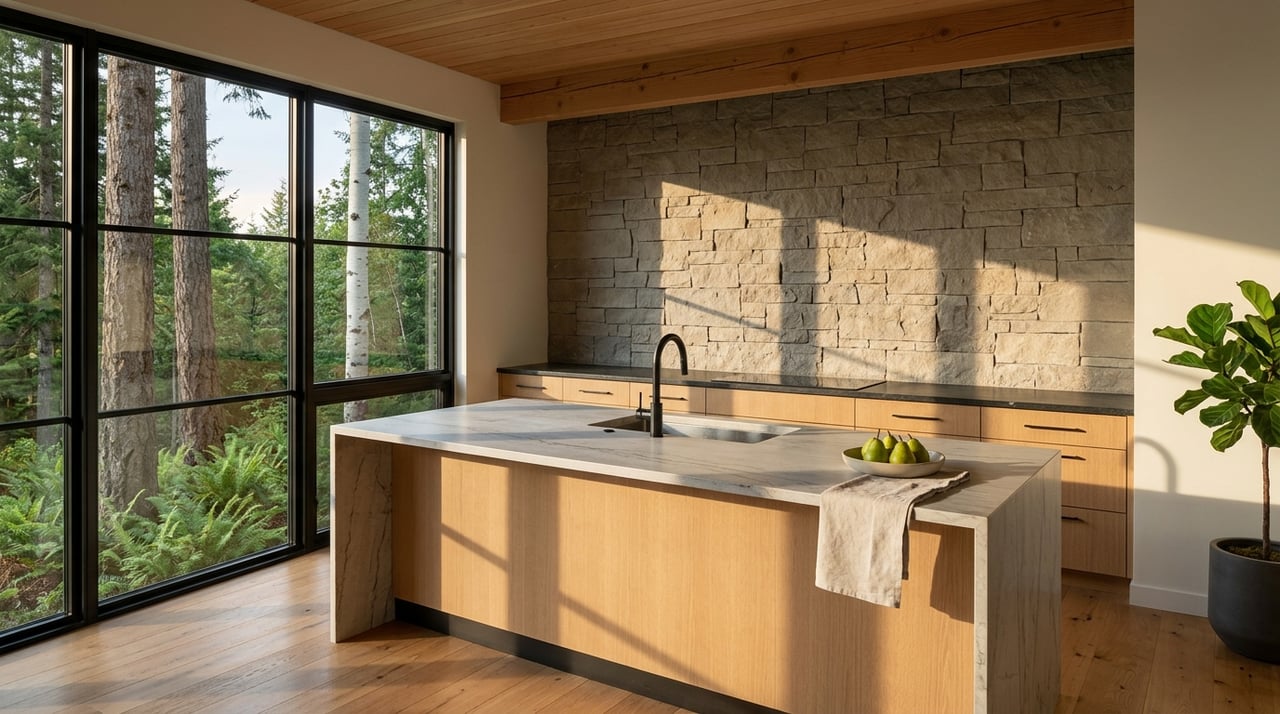
How To Think About Pricing Luxury Property In Whitefish
June 4, 2026
June 4, 2026
If you are pricing a luxury home in Whitefish, the biggest mistake is treating it like a typical market. Whitefish is a high-value market, but it is also a highly segmented one, which means broad averages can be misleading. If you want to price well from the start, you need to look at the right buyer pool, the right comparable homes, and the right timing. Let’s dive in.
In Whitefish, the million-dollar mark is not a fringe category. The City of Whitefish’s 2025 Housing Needs Assessment found that 65% of listings in the Whitefish area were priced above $1 million, while only 7% were under $500,000. That matters because it tells you luxury pricing here should be viewed as part of the core market, not as a rare exception.
At the same time, broad numbers can hide a lot. The same housing assessment reported a median sold price of $906,625 for January through April 2025, while a Whitefish market report showed a Q1 2026 median sales price of $825,000 and an average sales price of $1.64 million. That wide gap between median and average is a reminder that a handful of top-tier sales can skew citywide averages, so your home should be priced against similar luxury properties, not against the overall market alone.
Luxury buyers in Whitefish are not shopping every property in town the same way. A ski-in/ski-out condo, a lakefront home, a golf property, or a ranch estate may all sit in very different pricing bands, even if they have similar square footage. Setting, access, amenities, and condition can all change value in a meaningful way.
That is why pricing should be built around your home’s true peer group. In a market like Whitefish, the right question is not, “What is the average home worth?” It is, “What have buyers recently paid for homes that offer a similar lifestyle, location, and level of finish?”
A strong pricing strategy starts with comparable sales. Consumer pricing guidance cited in the research report says agents should look at size, location, amenities, and condition, then build a comparative market analysis using similar homes that have recently sold, are under contract, or are currently active.
For luxury property, sold comparables usually deserve the most weight because they show what buyers actually agreed to pay. Asking prices can be helpful for understanding current competition, but they do not prove value on their own. In Whitefish, where homes with similar size can perform very differently based on setting, lot usability, access, and updates, careful comp selection matters even more.
Two homes can look similar on paper and still belong in different price ranges. That is common in Whitefish because luxury value is often tied to lifestyle features that do not show up fully in a simple online search. The more distinctive the property, the more important it is to compare it thoughtfully.
Here are some of the factors that can shift value within the luxury segment:
For example, a well-updated home with strong access and polished finishes may compete in a different lane than an older home of similar size that needs work. The pricing conversation should reflect how buyers are likely to compare your home in real time, not just what nearby homes once asked.
Whitefish is a seasonal market, and that affects how you should think about launch timing. The City of Whitefish’s housing assessment estimates about 3,900 seasonal residents annually and expects that seasonal population to grow significantly by 2045. The city also notes that vacant housing primarily serves that seasonal population, and Whitefish’s visitor activity is especially busy in the summer.
That means buyer traffic may rise and shift at certain times of year, especially for second-home and lifestyle-driven purchases. If your likely buyer is a seasonal visitor or second-home shopper, pricing should take that audience into account. In some cases, timing a listing well can support stronger early attention and better positioning against competing inventory.
Luxury sellers sometimes assume there are so few comparable homes that pricing can stretch freely. In Whitefish, that is not always the case. The Q1 2026 Whitefish market report showed 86 homes in inventory, 27 closed sales, and average days on market of 153.
That tells you buyers often have options and may take time to decide. The broader Northwest Montana April 2026 MLS report also showed homes receiving an average of 97.0% of list price overall and 96.6% for single-family sales, with 6.0 months of inventory overall and 5.5 months for single-family homes. In plain terms, buyers still have room to compare, negotiate, and wait for the right fit.
In a segmented market, overpricing can push a property outside its true buyer pool. When that happens, the home may sit longer than it should, which can weaken momentum and raise questions in the minds of buyers. In a market where average days on market reached 153 in Q1 2026, that risk is worth taking seriously.
Consumer guidance cited in the research report notes that many homes are initially priced too high, and that sellers should watch pending sales and days on market closely. It also notes that a well-timed price reduction can refresh interest, and that some sellers test the market for about two weeks before adjusting. In some cases, reductions in the 2% to 5% range can improve showing activity and lead to offers.
Of course, pricing too low can also create problems. In Whitefish, 40.7% of Q1 2026 closed sales were priced at $1 million or more, and the average sales price reached $1.64 million. If your property has standout luxury features and limited direct competition, an overly conservative list price may leave money on the table.
That is why pricing should match your goals as much as the data. If your priority is speed, your strategy may look different than if your goal is maximizing proceeds or balancing both. The right number is rarely about guessing high or low. It is about choosing a range that fits the property, the market, and your timeline.
Appraisals are important, especially when financing is involved, but they are not a complete pricing plan. The research report notes that appraisals are professional opinions of value, that they can differ based on timing and appraiser, and that they are backward-looking because they rely on sold comparables.
In a market like Whitefish, your pricing strategy also needs to account for current competition and current buyer behavior. An appraisal may help confirm value, but it does not replace a thoughtful go-to-market strategy. Luxury pricing works best when you balance historical evidence with what buyers are seeing and choosing right now.
If you are preparing to sell a luxury property in Whitefish, it helps to think in terms of a pricing range instead of one emotional target number. Your range should reflect recent sold comps, current competition, your property’s distinctive features, and your timing goals. This creates a more grounded strategy and makes it easier to respond to market feedback quickly.
A smart pricing conversation often includes these questions:
When those answers are clear, pricing becomes much more strategic and much less stressful.
In Whitefish, luxury pricing is not just about square footage and recent sales. It is also about understanding how buyers value mountain access, lake setting, resort convenience, privacy, finish level, and lifestyle fit. That takes local market knowledge and a careful eye for what truly makes one property compete above or below another.
For sellers of distinctive homes, that level of detail can shape everything from list price to negotiation strategy. If you want to position your property thoughtfully in a nuanced market like Whitefish, working with an advisor who understands the local luxury landscape can make a meaningful difference.
If you are considering selling a luxury home in Whitefish and want a pricing strategy built around your property’s true market position, connect with Kimberly Wilson for tailored guidance and polished, service-driven representation.
Stay informed with expert insights, market updates, and lifestyle inspiration from Whitefish and the surrounding Montana communities.
June 4, 2026
May 28, 2026
May 21, 2026
May 14, 2026
May 7, 2026
April 23, 2026
April 16, 2026
April 9, 2026
April 2, 2026
With decades of experience and a commitment to exceptional service, Kimberly is dedicated to helping clients achieve their real estate goals.

Kimberly Wilson
Address 204 CENTRAL AVE WHITEFISH, MT 59937